The short version: Across 25 founders who described their first paying customers, the single most common channel was Reddit, with five cases. But no channel won. The largest group, nine founders, got their first customers from something else: a platform marketplace, a pre-sale, a cold email, or a fake demo. The pattern is not "pick the best channel." It is "pick the channel your buyers already use, then expect to leave it."
I went through every interview in the dataset looking for the moment money first arrived. Twenty of them described it in enough detail to compare: which channel, how long it took, how much came in.
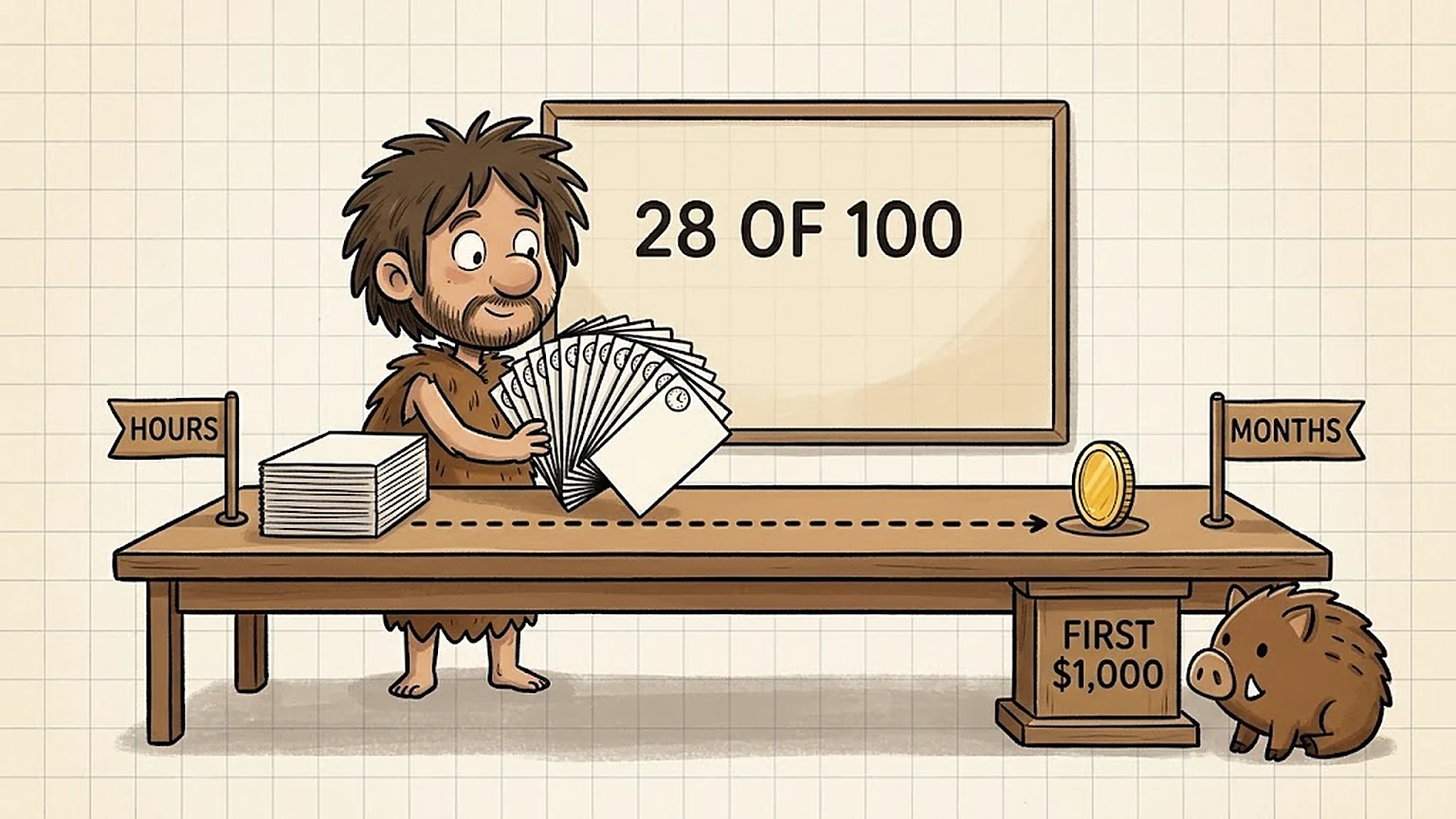
The range is wide. One got a payment in ten minutes. One took six months to reach two customers.
There is no best channel
Here is the count, by the channel each founder named as the source of their first paying customers.
Channel | Founders | Examples |
|---|---|---|
|
Other (marketplace, pre-sale, cold email, fake demo, build in public) |
9 |
Supergrow, Setai, UpLead, Data Fetcher |
|
|
5 |
Goji Berry, Yataphone, Gravl, Save Wise |
|
Cold DMs |
4 |
Once, Garb, Alia |
|
Communities |
4 |
Algrow, Cleo, Save Wise |
|
Partners / influencers |
4 |
LaunchFast, Early |
Save Wise appears twice, under Reddit and under communities, so the column adds to 26 mentions from 25 founders.
The "other" bucket is doing a lot of work, and that is the point. It contains a founder who sold lifetime deals through an existing platform, one who collected refundable deposits before writing code, one who sent cold email until he reached $1M ARR, and one who posted a fake demo before the product existed.
These are not variations of the same tactic. They are different answers to the same question: where do the first ten people who will pay already spend their attention?
*Write down the three places your buyers already are. Cross out any that you would not want to be seen in. What is left is your shortlist.*
Reddit: the highest hit rate, and the most fragile
Reddit produced the most first customers of any single public channel, and the fastest ones.
Dennis posted a screenshot of his product in a travel subreddit. He got his first payment within minutes.
Julian posted in a build-focused subreddit, then turned on paid ads with a daily budget under $50. His first subscription came ten minutes after the ads went live. The product later reached $400,000 a month.
Roman is the clearest case because he can explain what worked.
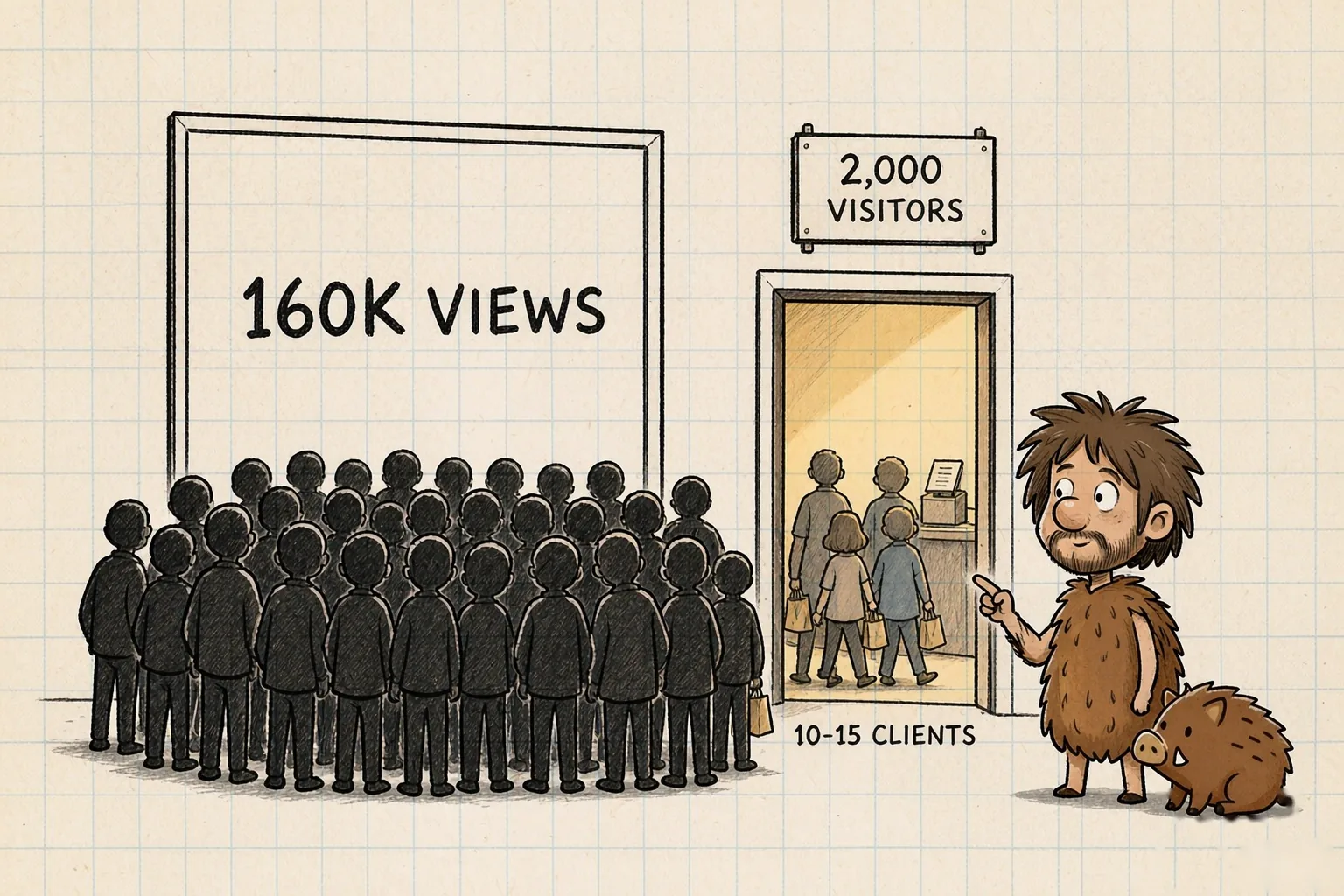
"It got 160K views, 543 up votes. In terms of visitors it got us something like 2,000 visitors. And out of 2,000 visitors we probably got something like 10 or 15 clients out of these posts."
One post. Ten to fifteen paying clients at $99 a month. His second post, about being rejected in a YC interview, reached over 179,000 views and brought in roughly 15 more.
But Reddit has a ceiling, and the founder who hit it describes it plainly.
"Reddit is great initially, right, but eventually Reddit stops working, or there are like diminishing returns to investing more time or effort in Reddit."
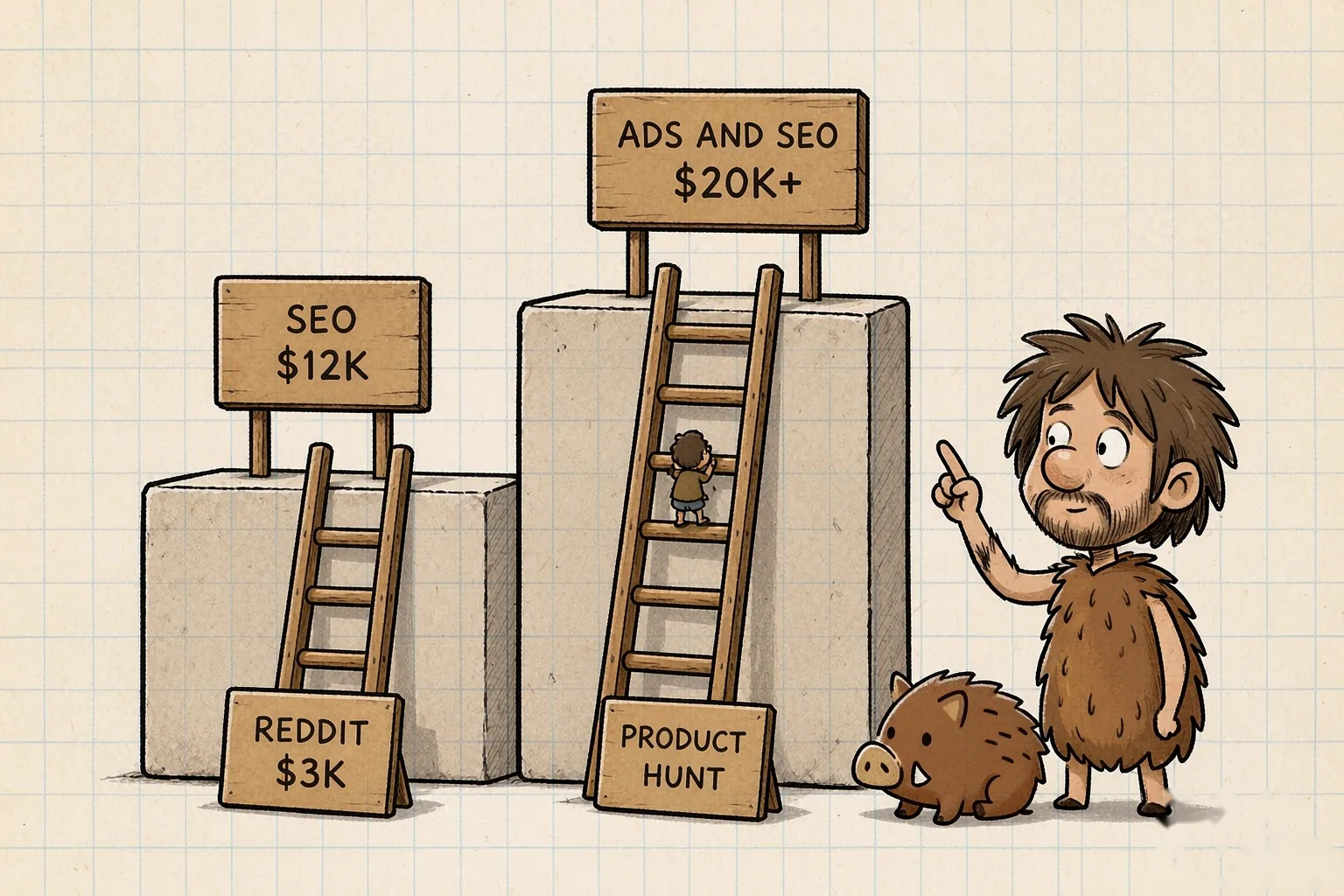
That is Aayush, who used Reddit to go from zero to $3,000 in MRR, then switched to SEO to go from $3,000 to about $12,000.
*Reddit is a good first channel and a bad only channel. Plan the exit before you need it. If you have not shipped yet, start with the smallest thing that works.*
What a Reddit post that converts actually looks like
Roman's posts were not product announcements. They were stories with receipts.
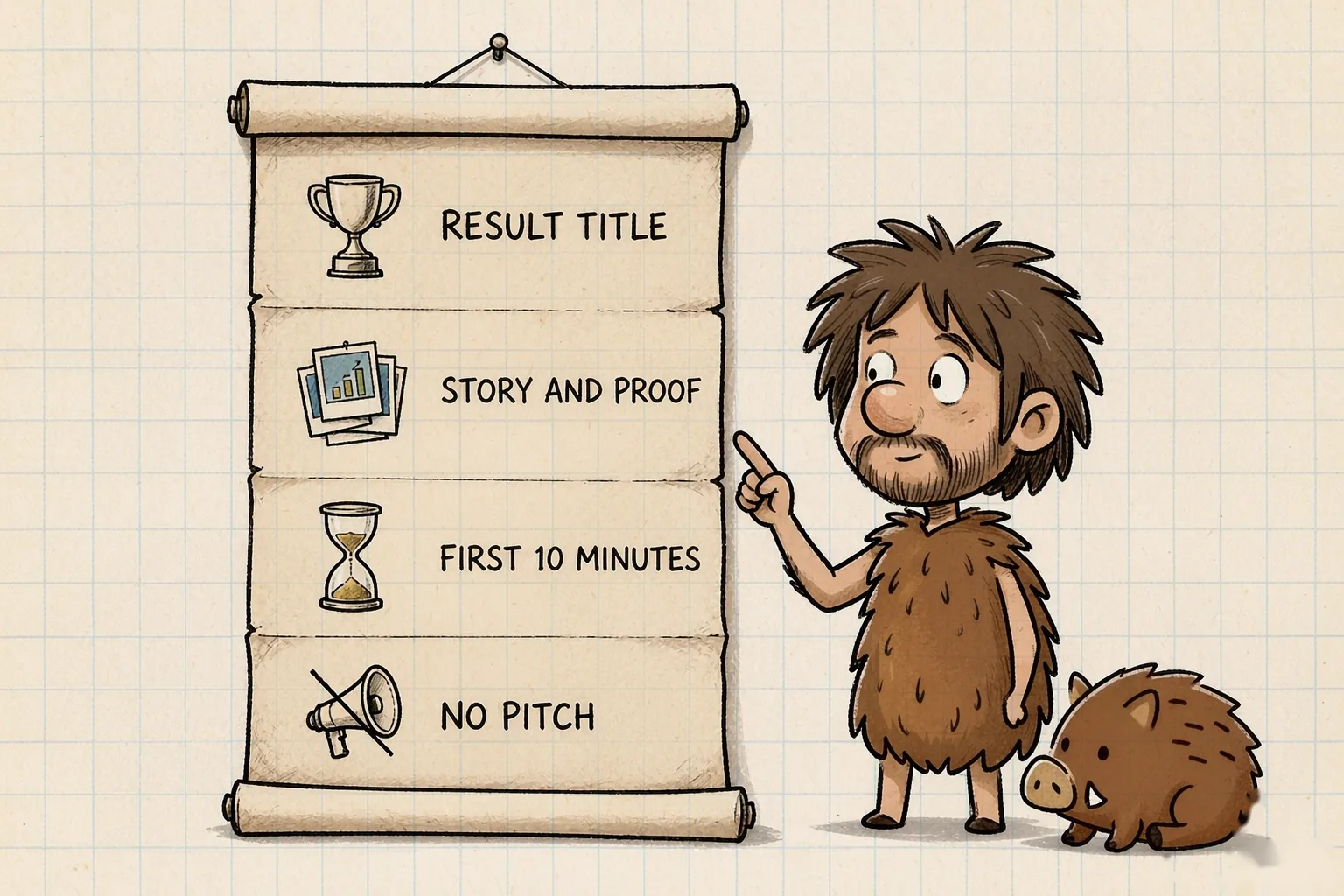
The title is a result, not a pitch.
"I paid five influencers on LinkedIn to promote my SaaS. Here's what $1,250 got me."
The body tells a story and shows proof.
"You have to tell a story and you have to show proof. So here, for example, I've included the influencer post and all the proof that are available."
The first ten minutes decide the rest.
"You need to get as many up votes as you can in the first 5 to 10 minutes. So what I do to make it work is I have a group of friends where we share each other's Reddit posts, and every time someone shares the post, we all go and up vote and comment."
The product is never the point of the post.
"Never putting your SaaS directly in the post. You can trigger curiosity by highlighting it."
He also drafts by voice, then has an AI clean it up, because talking produces more detail than typing.
"I tell my story to ChatGPT by voice, and then I ask ChatGPT to translate and correct my post. That's something that works really well, because you can dive way deeper into details."
None of this is a template. It is a shape: a number in the title, a story with evidence, an early push, and no pitch.
*If your post reads like an announcement, it will be treated like an ad. Write the result, not the product.*
Cold DMs: low volume, high intent
Private messages are slower and smaller, but the conversion is different because you are talking to one person.
Brian sent 250 messages before writing any code. Twelve people booked, and those bookings became his first revenue.
He messaged 250 people and turned 12 of them into bookings.
Garb's first payment was $99, from a LinkedIn conversation. Sixty days later he was at $6,500.
Sean started with two paying customers and took six months to reach twenty. That sounds slow until you notice he had no channel at all, only people he already knew.
The common thread: the founder chose the people, not the platform. That is why the numbers are small and the conversion is high.
*If you can name ten people who have the problem, you do not need a channel yet. Message them.*
Communities and waitlists
Communities work when the founder participates before selling.
Sam spent a week sharing his screen in a Discord voice channel, answering questions and demonstrating the product. Then he opened a waitlist. He got his first 400 users at zero cost and was profitable in the first month.
Lara built a LinkedIn audience, collected a waitlist, ran a webinar, then opened a small launch to that list. She did $30,000 in MRR in four days.
Anish spent three and a half months answering questions in Facebook groups and on Reddit before posting his main thread. That thread brought over 1,500 visitors to his site.
The pattern: months of participation, then one ask. Not the other way around.
*Pick one community you can genuinely help for a month. The post comes after, not before.*
Partners and affiliates: borrowing someone else's audience
The fastest route to revenue is often someone else's list.
Hassam built a product for Amazon private-label sellers, then partnered with an Amazon training company that already taught those sellers. He was making $10,000 MRR within 30 days of launch, at $50 a month per student.
Jake put his app in front of lifestyle influencers on TikTok and Instagram. The first video produced revenue within seven days, and he hit his first $1,000 within three weeks.
The trade is explicit: the partner already has the trust, and you have the product. What you give up is margin and control.
*List the five people who already talk to your buyers. One of them will answer.*
Platforms, pre-sales, and cold email
The "other" bucket deserves its own section because it contains the fastest results in the dataset.
A platform marketplace. Data Fetcher listed inside the Airtable ecosystem and got its first customers within days, because the buyers were already inside Airtable looking for exactly that.
A lifetime deal. Din launched on RocketHub with three price tiers ($79, $199, $299) and made $65,000 in three days.
A refundable deposit. Setai collected $500 deposits before writing code, with a landing page and a demo that did not exist yet. (That story belongs to a different article in this series: selling before you build.)
Cold email. Will Cannon built UpLead to $1M ARR on cold email alone.
A fake demo. PushScroll posted a concept video on TikTok before the app existed. The comments filled with people asking to buy it. After a two-week build, the first week of paid users produced $10,000 in MRR at $30 a year.
None of these are repeatable as recipes. All of them share one property: the founder found a place where the buyer was already in motion.
*Ask which of these five you can do this month with what you already have.*
The channel that gets you to ten will not get you to a hundred
This is the part most guides skip.
Aayush went from $0 to $3,000 on Reddit, then hit diminishing returns and moved to SEO for the next $9,000.
Tibo described the same wall from the other side.
He said launching on product sites and socials, and building in public, is basically free, and good enough to reach $1–3K a month. Past $20K, he said, you cannot rely on that rhythm: they added ads, pushed SEO further, and ramped an affiliate program. That took them from 20 to 200.
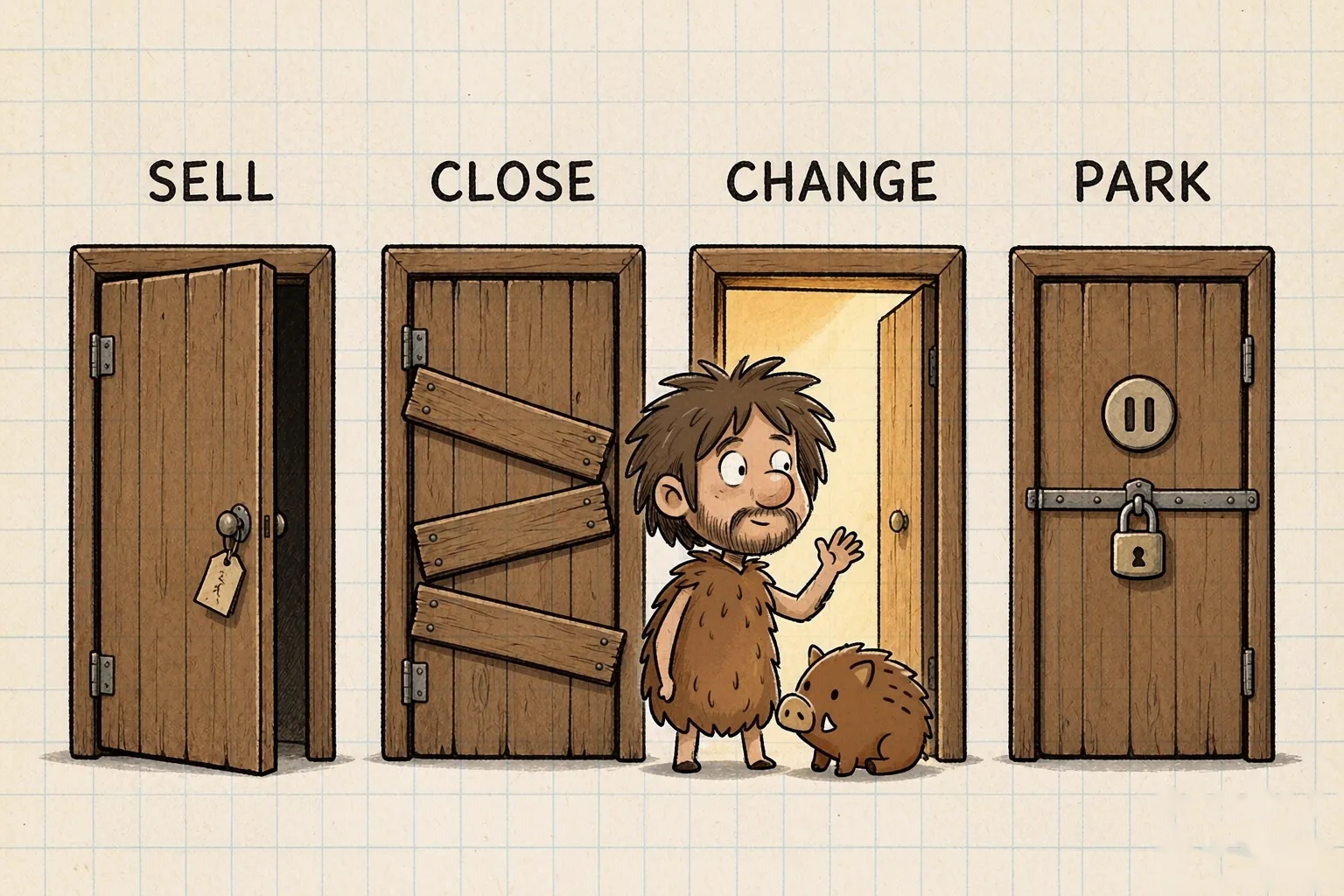
The transition is not a failure of the first channel. It is what the first channel is for: proving that someone will pay, at a scale small enough to do by hand.
*When your first channel stops producing, do not optimize it harder. Add the next one.*
What to do this week
- List the three places your buyers already are. Not the three biggest channels. The three where your specific buyer already spends time.
- Pick the one you can participate in for a month without selling. Reddit, a Discord, a Facebook group, a partner's audience.
- Write one post as a result, not an announcement. A number in the title, a story with evidence, no pitch. Then watch the first ten minutes.
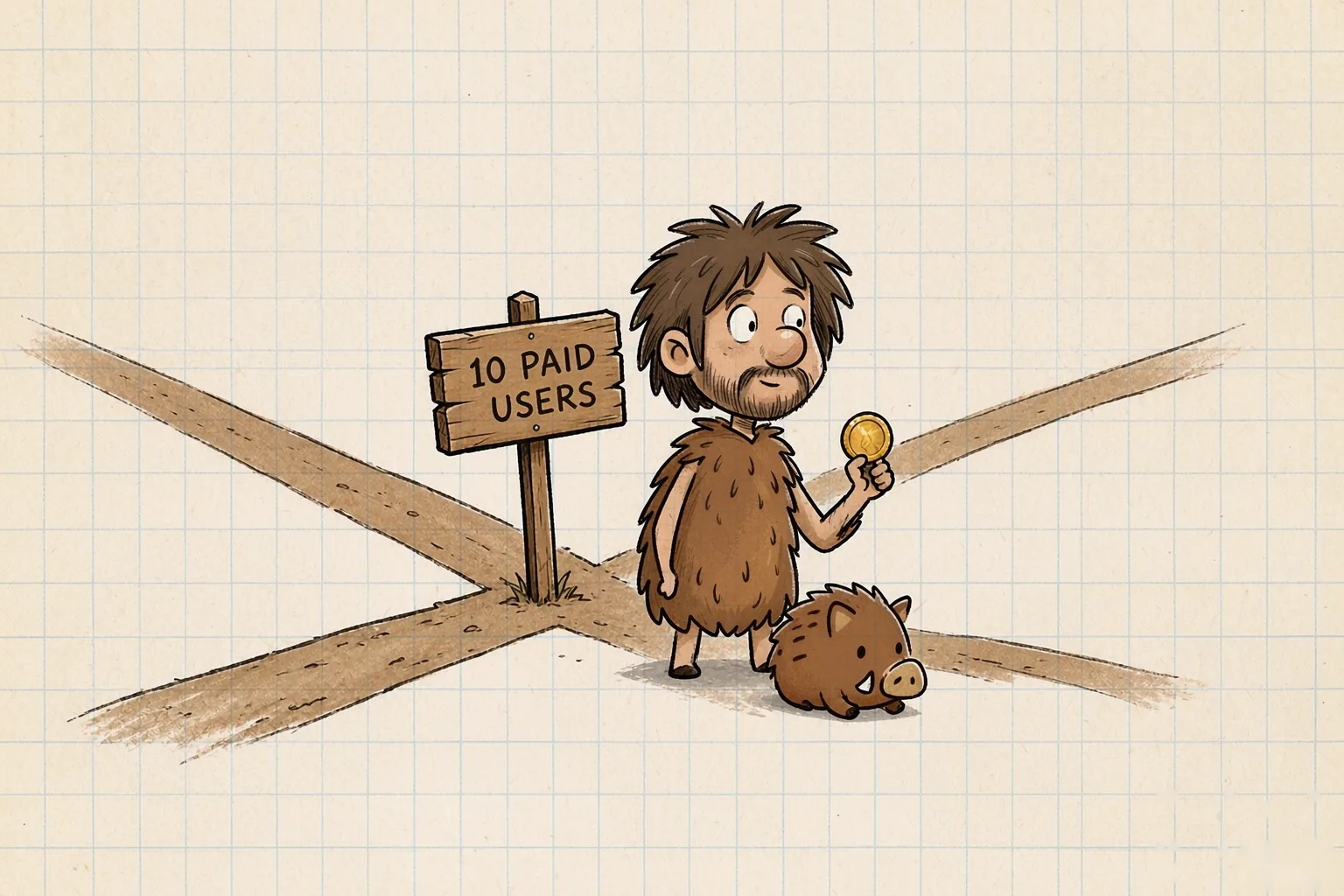
Then count paying customers, not visitors. Ten is the only number that matters at this stage.
FAQ
Where do most founders get their first 10 paying users?
In this dataset, Reddit was the most common single channel, with five founders. But the largest group, nine, used something else: a marketplace, a pre-sale, a cold email, or a partner. There is no universal answer.
How long does it take to get 10 paying customers?
From ten minutes to six months in this dataset. The fast cases all had an existing audience or a partner. The slow cases started from people the founder already knew.
Is Reddit still worth it in 2026?
Yes, as a first channel. Aayush's warning is the useful part: it produces diminishing returns, and subreddit moderation can end it overnight. Use it to prove demand, not to build a business.
When should I switch channels?
When the same effort produces fewer customers than it did a month ago, or when you can name the ceiling. Tibo named $20,000 a month. Aayush named $3,000. Naming it early makes the switch a plan instead of a panic.
Do I need a different channel if my product is B2B?
The dataset skews consumer and prosumer. For B2B, the cold DM and partner cases are the closest fit, and the platform marketplace case (Data Fetcher) is the cleanest example of finding buyers inside a tool they already use.
---
If you are still choosing what to build, the free SaaS idea validation checklist is the place to start.
*The interviews in this piece come from public founder interviews. Figures are the founders' own, as stated in their interviews. This is a sample of founders who were interviewed because they built something, not a random sample of all products.*